 IIT Delhi Website
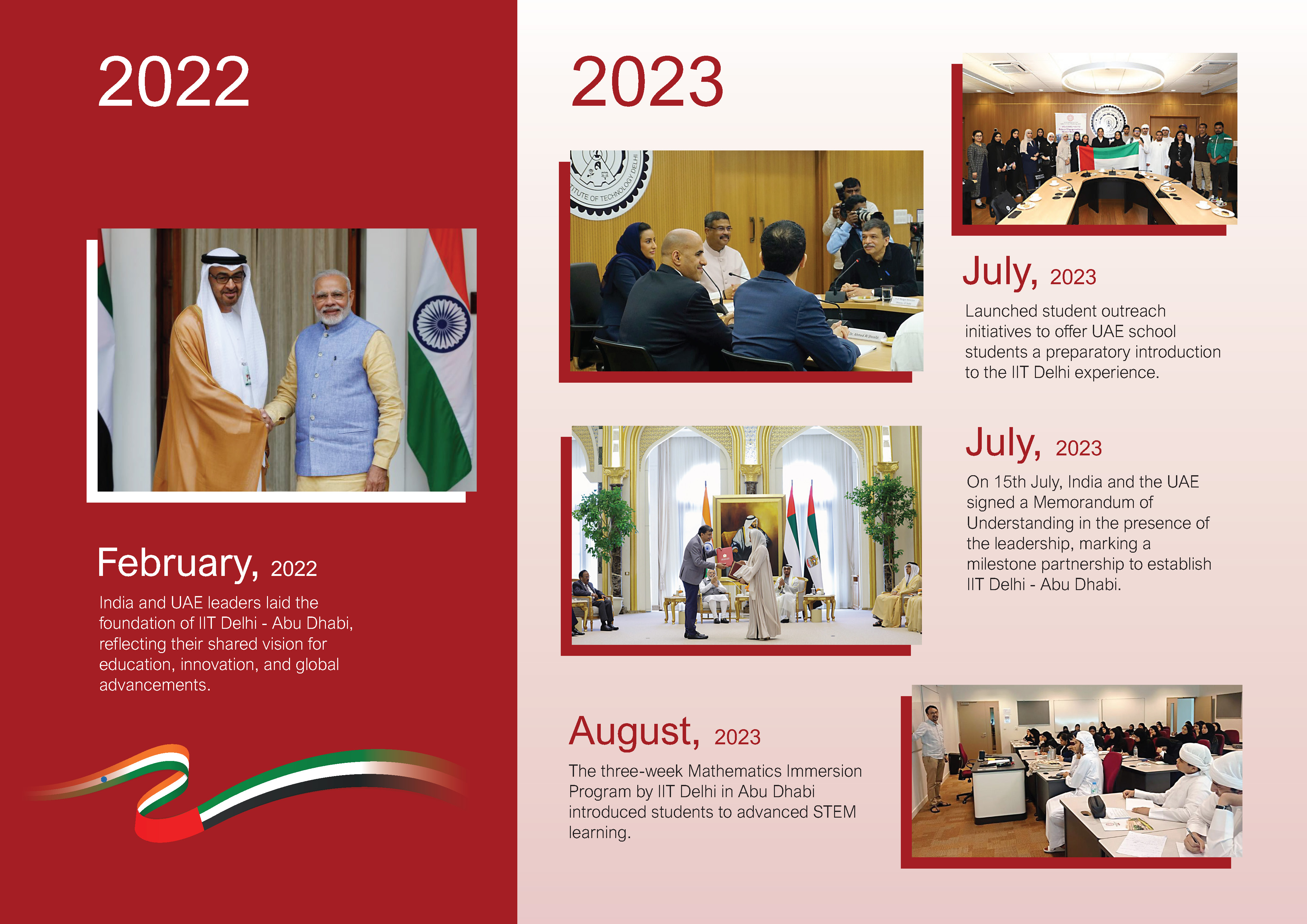
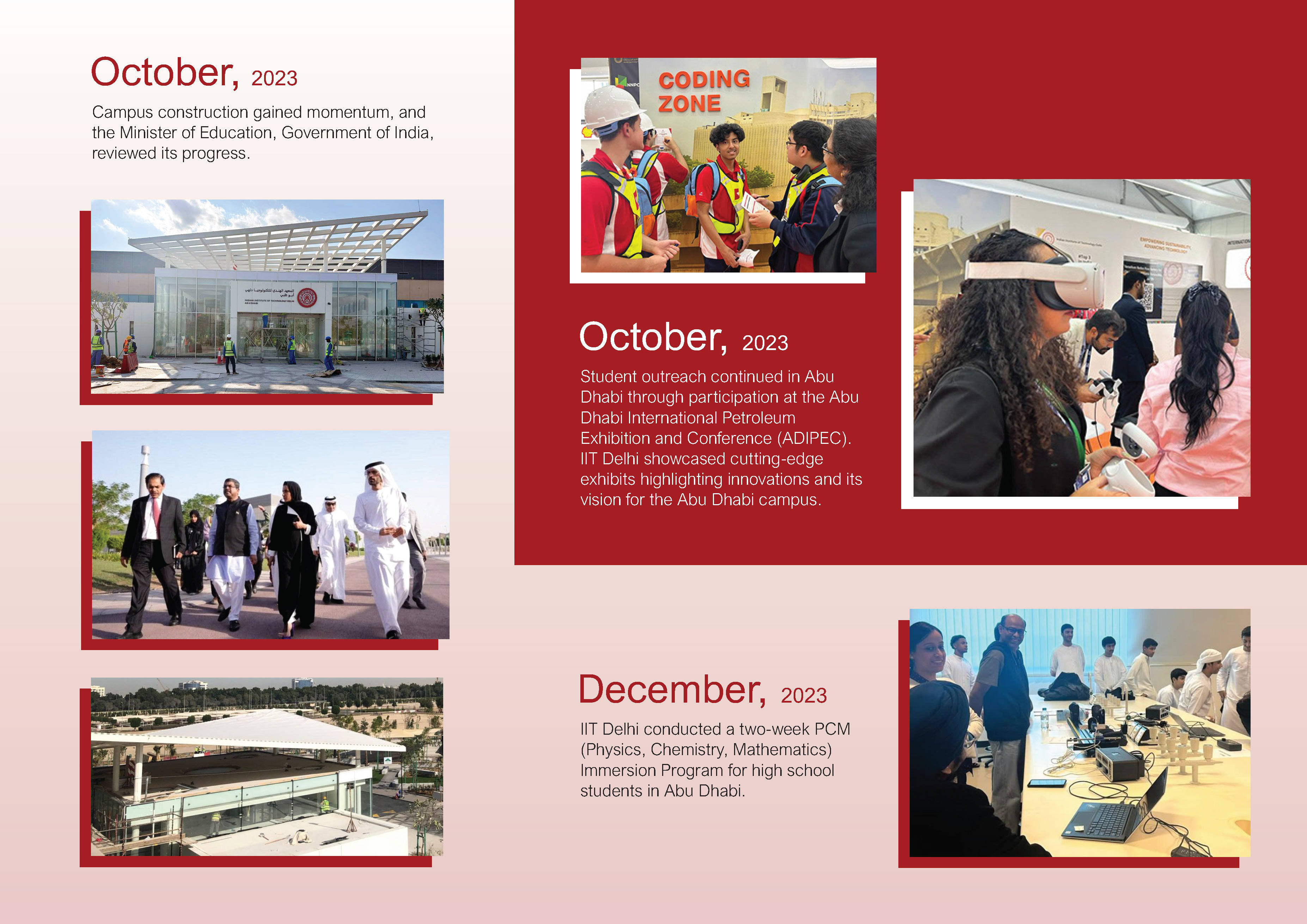
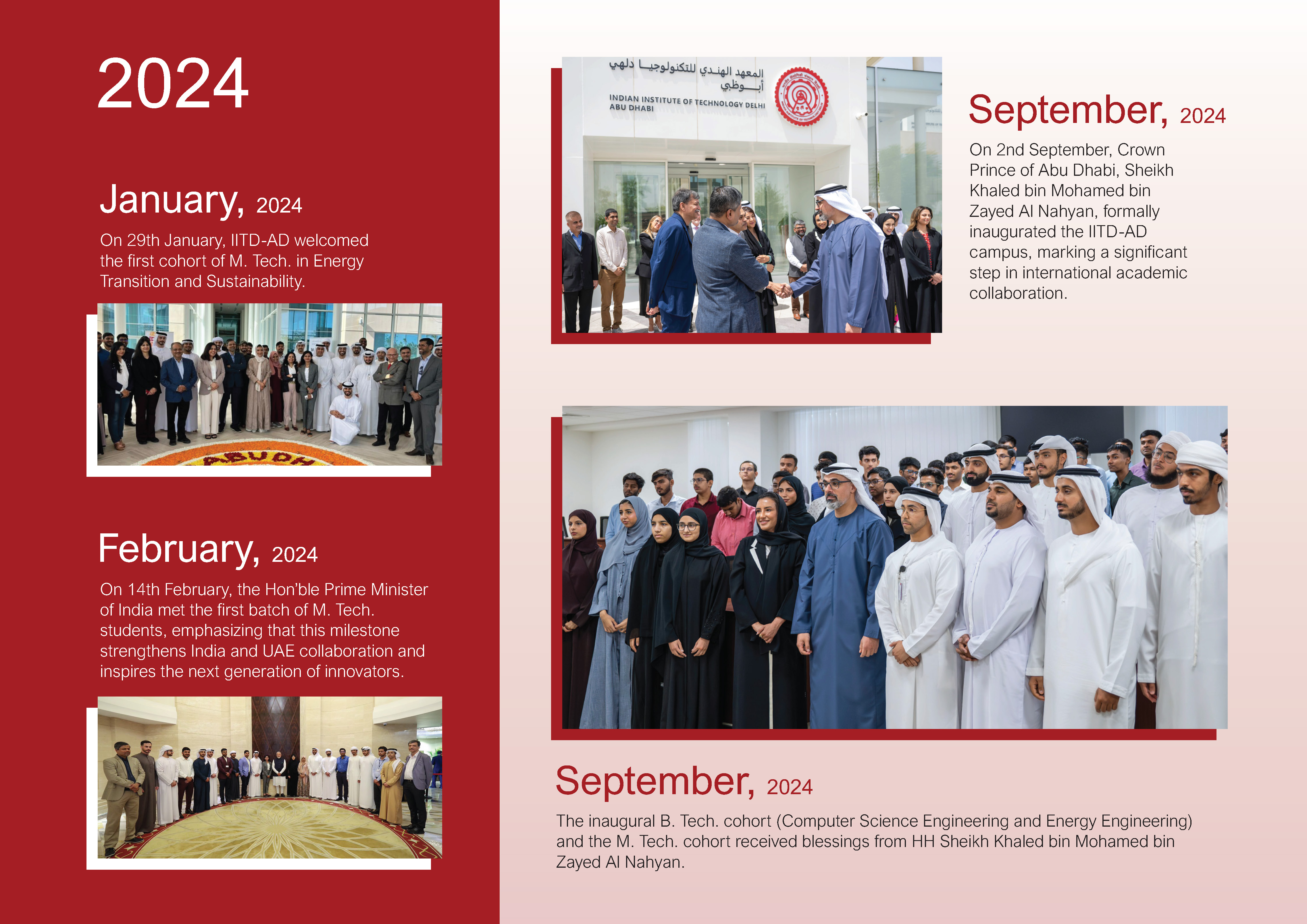
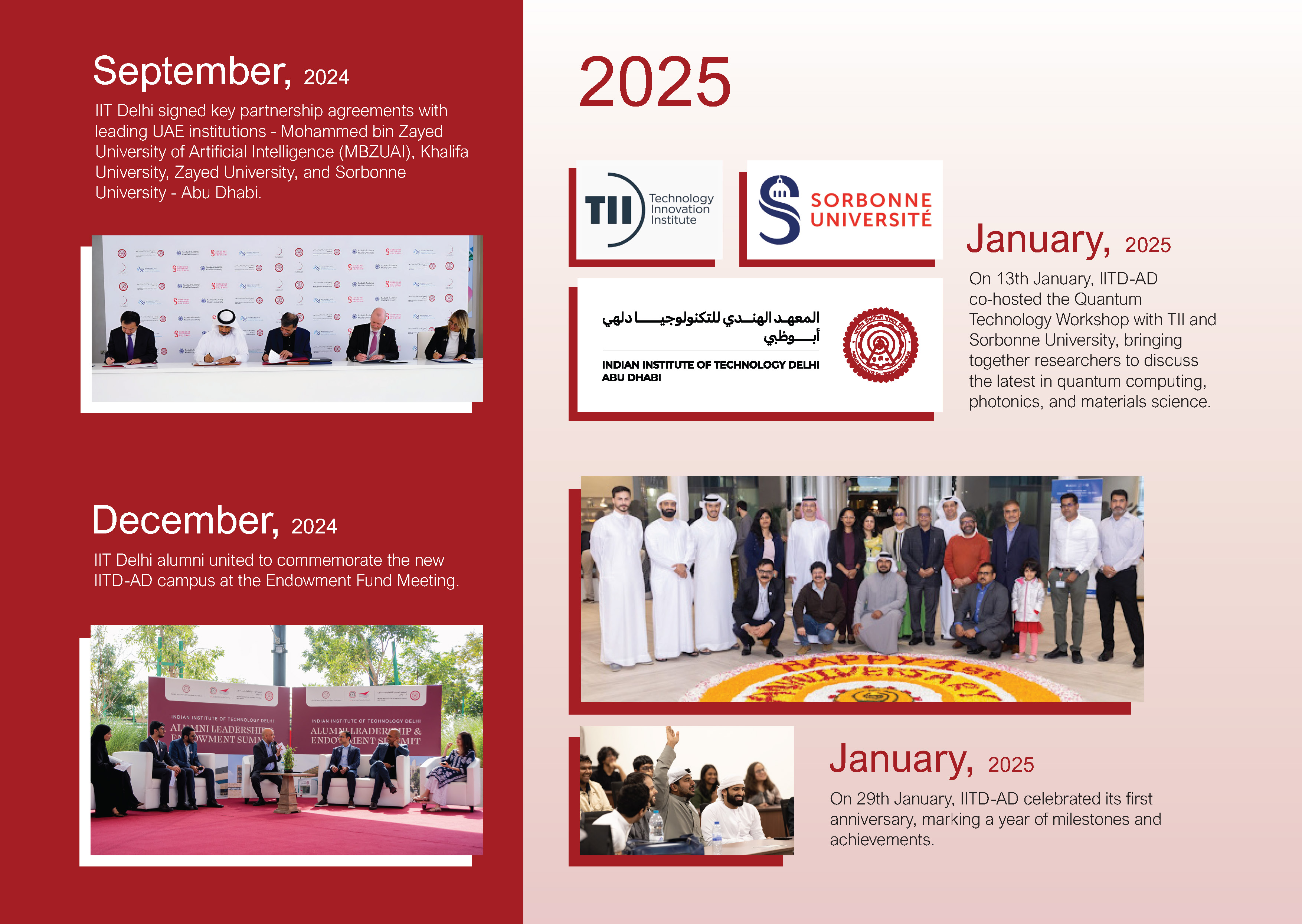
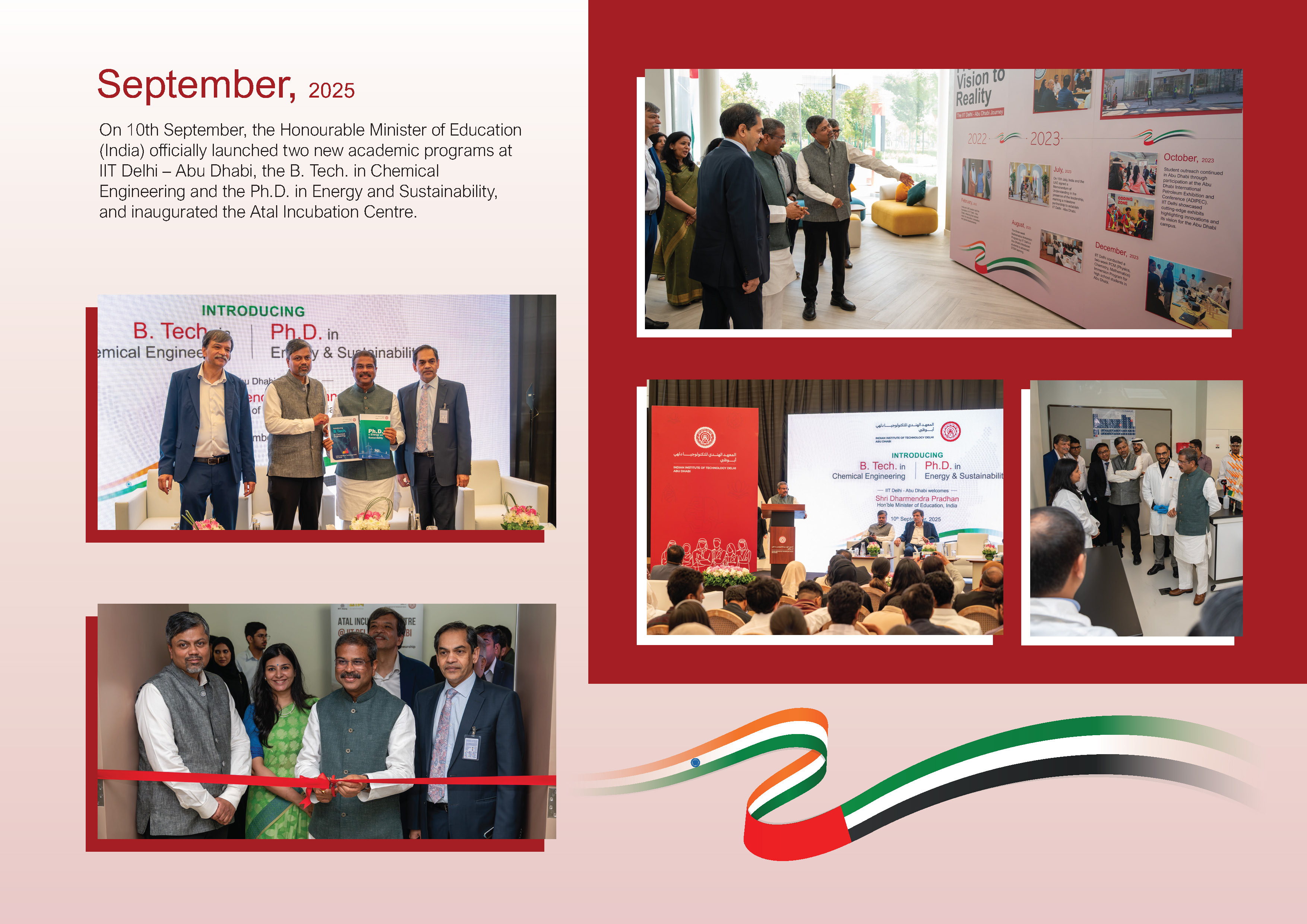
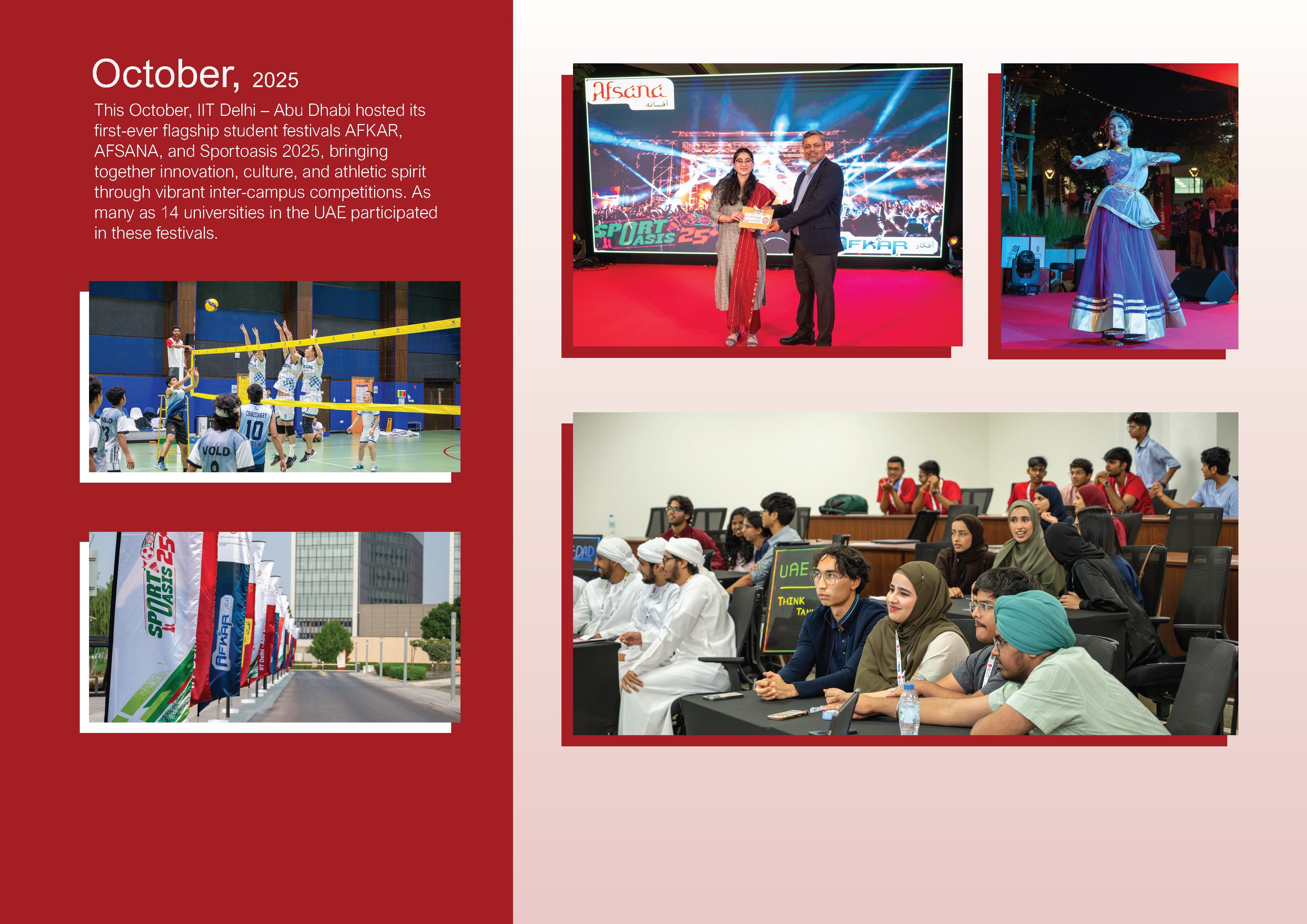
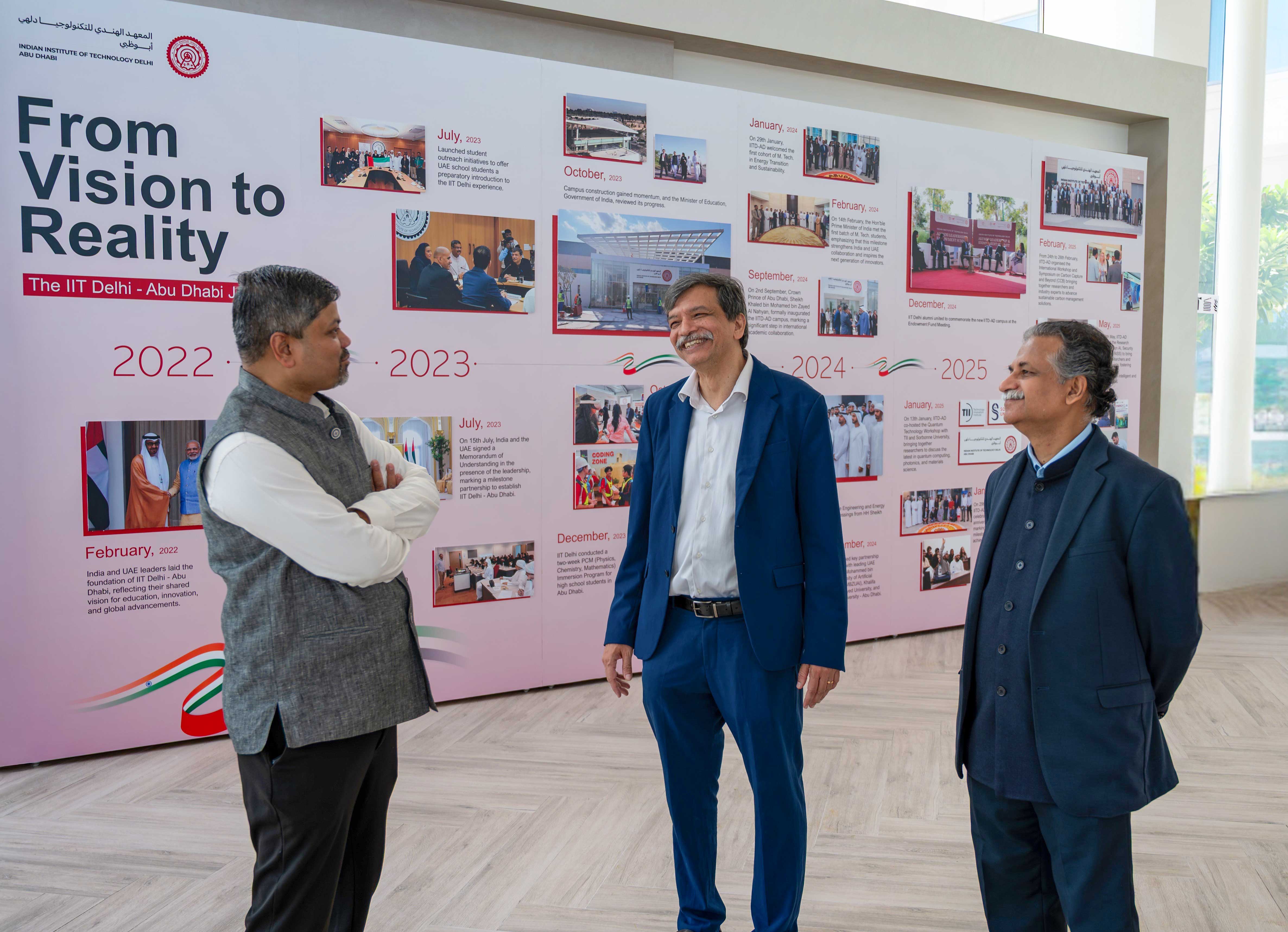
IIT Delhi–Abu Dhabi (IITD-AD) was established through a visionary collaboration between the Governments of India and the UAE, bringing IIT Delhi's six-decade legacy of excellence in STEM education, engineering, and research to Abu Dhabi. Officially formalized through a Memorandum of Understanding (MoU) in July 2023, the campus combines world-class academic programs, advanced research capabilities, and high academic standards to develop future-ready leaders and innovators.
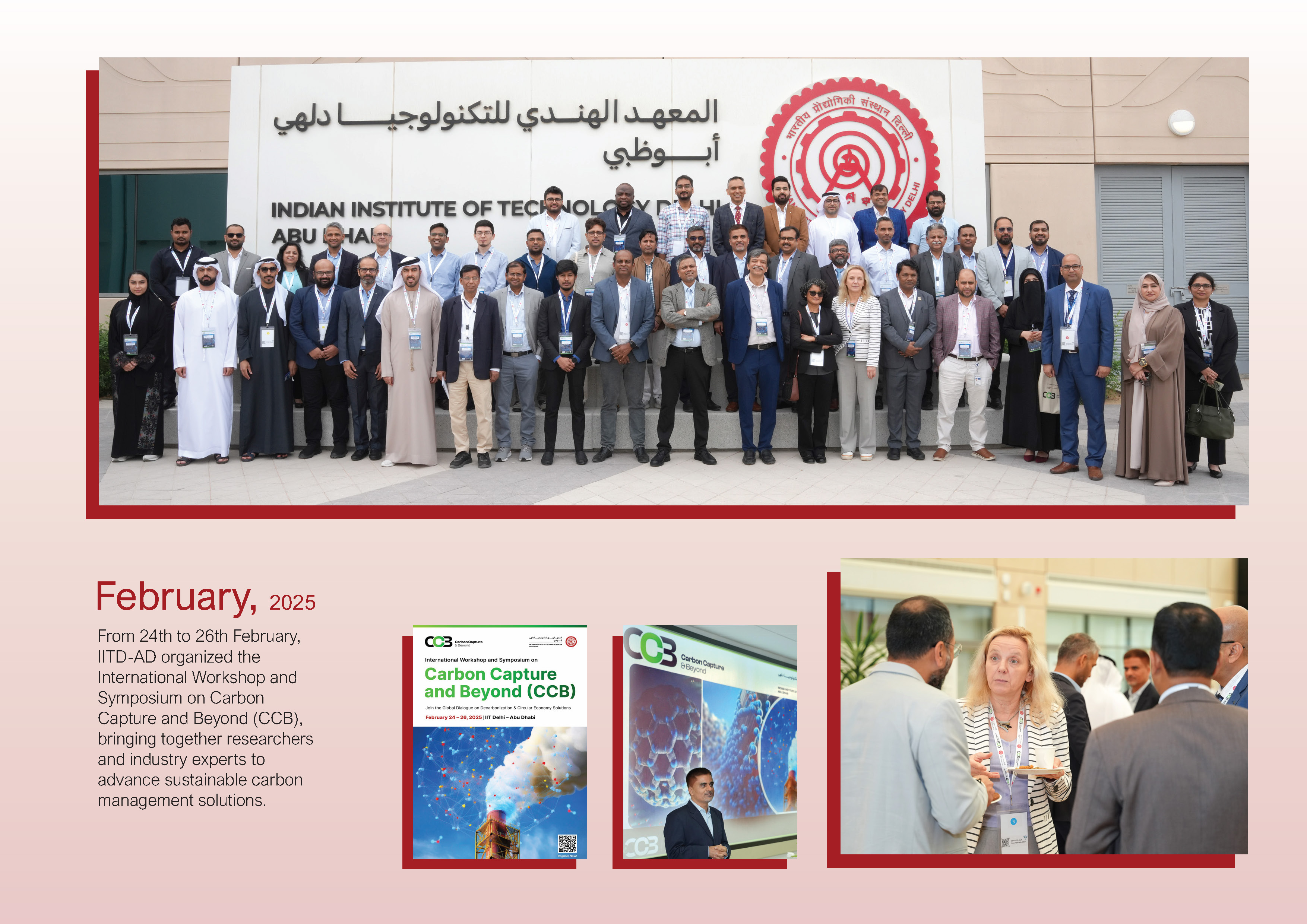
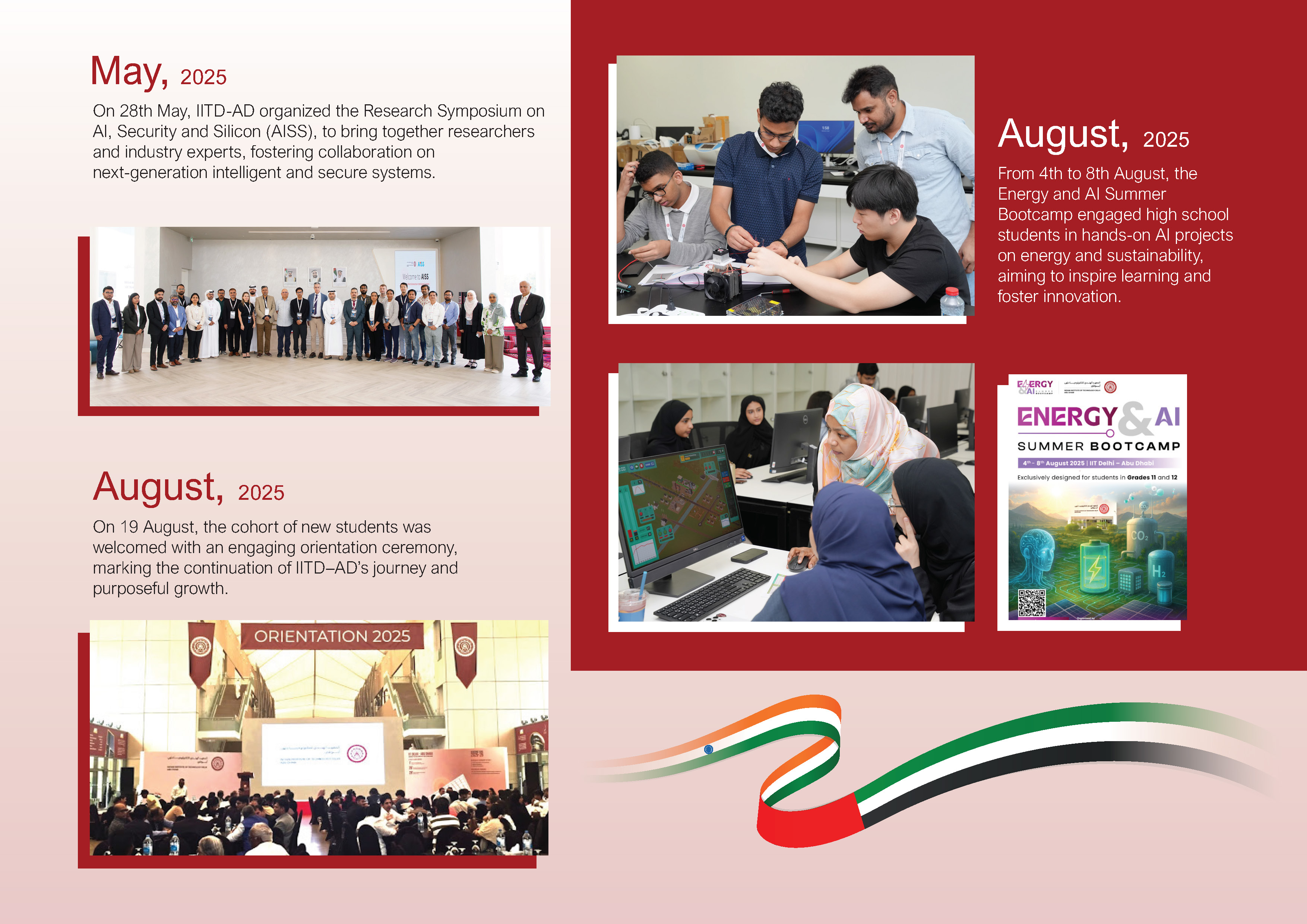
IIT Delhi – Abu Dhabi is committed to contributing meaningfully to the UAE's advance research and entrepreneurial ecosystem. Our academic programs and research priorities are shaped by input from industry leaders, government bodies, and academics across the UAE and India, ensuring they align with both regional priorities and global trends.
IITD-AD has signed MoUs with leading UAE institutions, including Khalifa University, Mohamed bin Zayed University of Artificial Intelligence (MBZUAI), Sorbonne University Abu Dhabi, and Zayed University, advancing joint research initiatives, shared laboratory facilities, and faculty and student exchange programs.
Together, they strengthen STEM innovation, enhance research infrastructure, and align with the UAE's national priorities and global knowledge agenda, preparing graduates to make meaningful contributions in tomorrow's world.

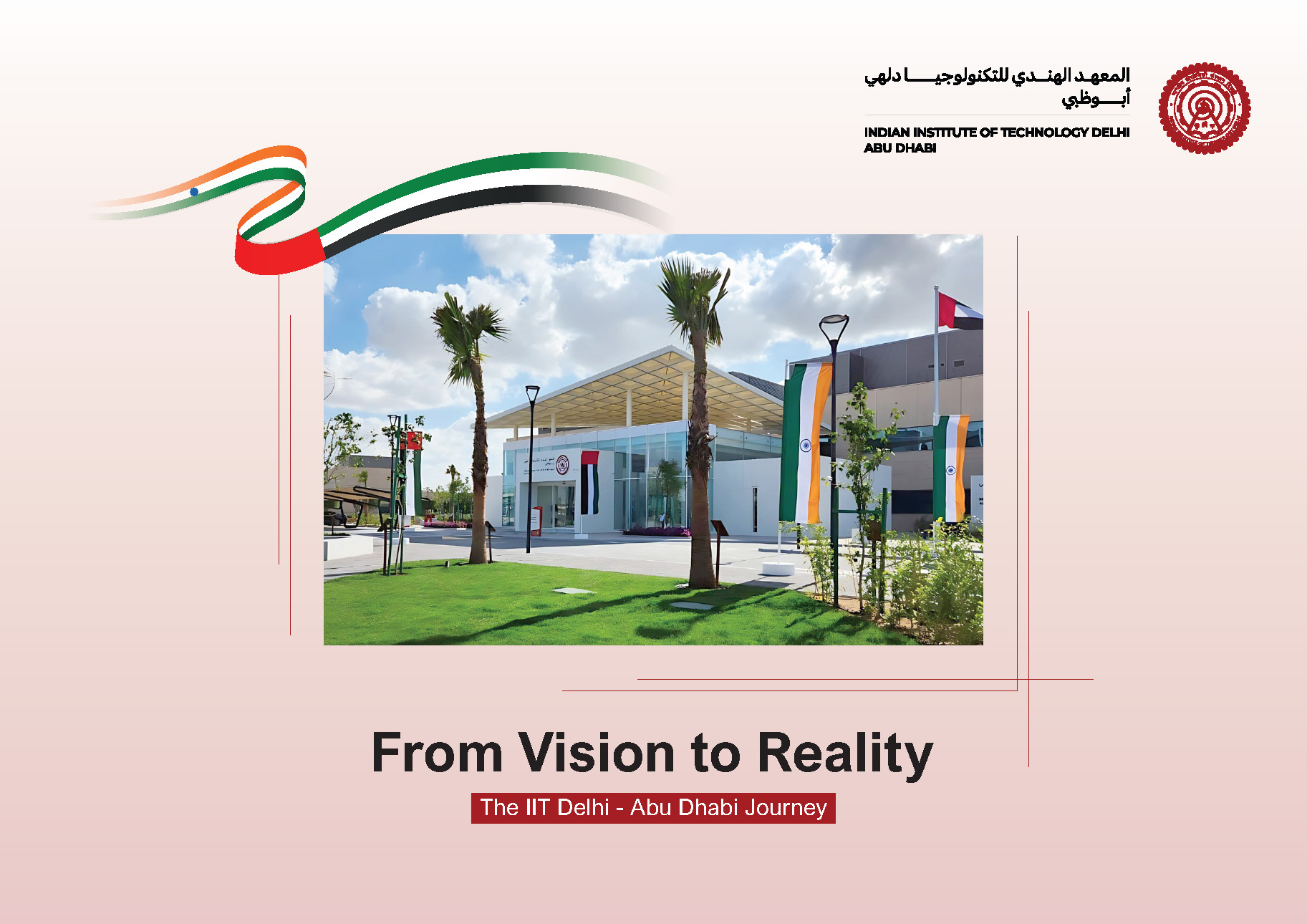
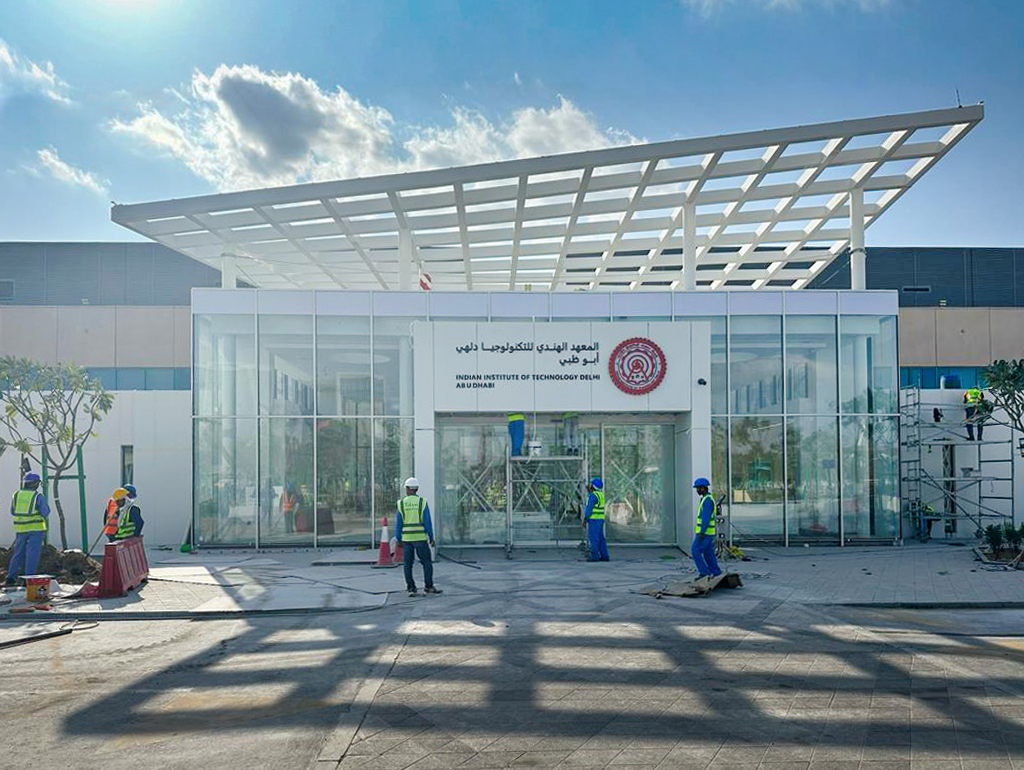
IIT Delhi - Abu Dhabi is currently an interim academic campus within Zayed University, offering a thoughtfully curated environment for students, faculty, and researchers. The campus reflects IIT Delhi's iconic architectural language, state-of-the-art academic and research facilities enable seamless teaching, learning, and research activities.
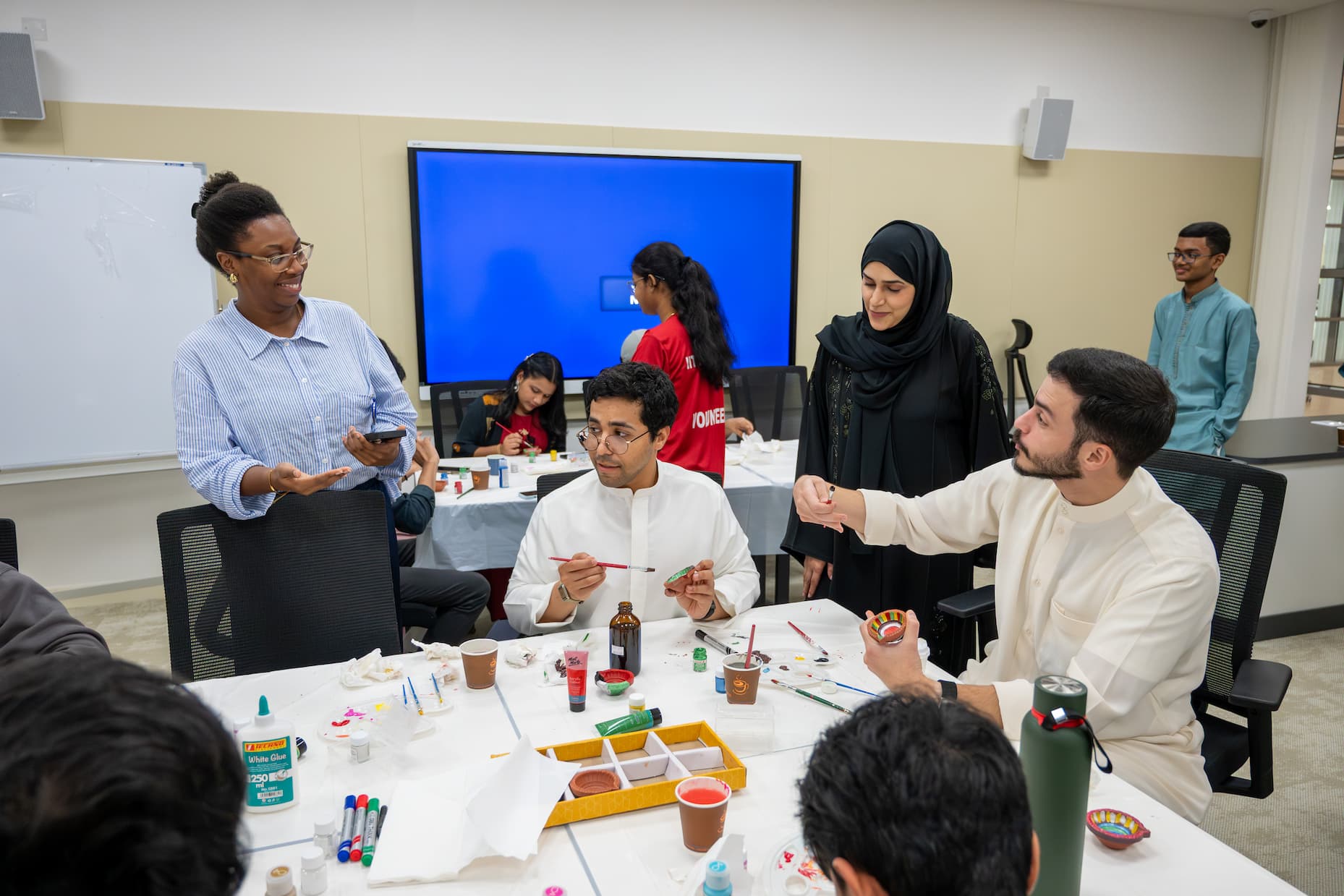
Student life at IIT Delhi – Abu Dhabi is anchored in the residential campus model, a defining tradition of IIT Delhi. On-campus accommodation strengthens academic engagement, encourages peer collaboration, and fosters a strong sense of community. Separate residential facilities for male and female students, complemented by indoor common areas and outdoor gathering spaces, support structured study groups, informal mentorship, and interdisciplinary interaction.